WHO WE ARE

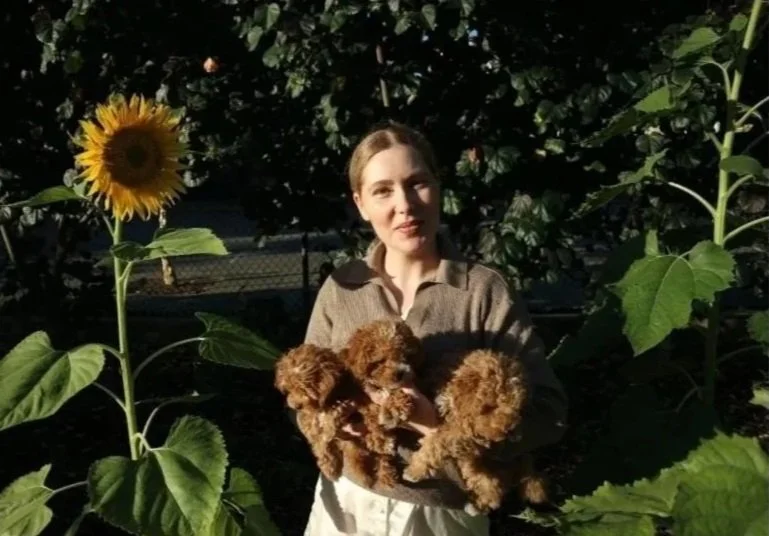
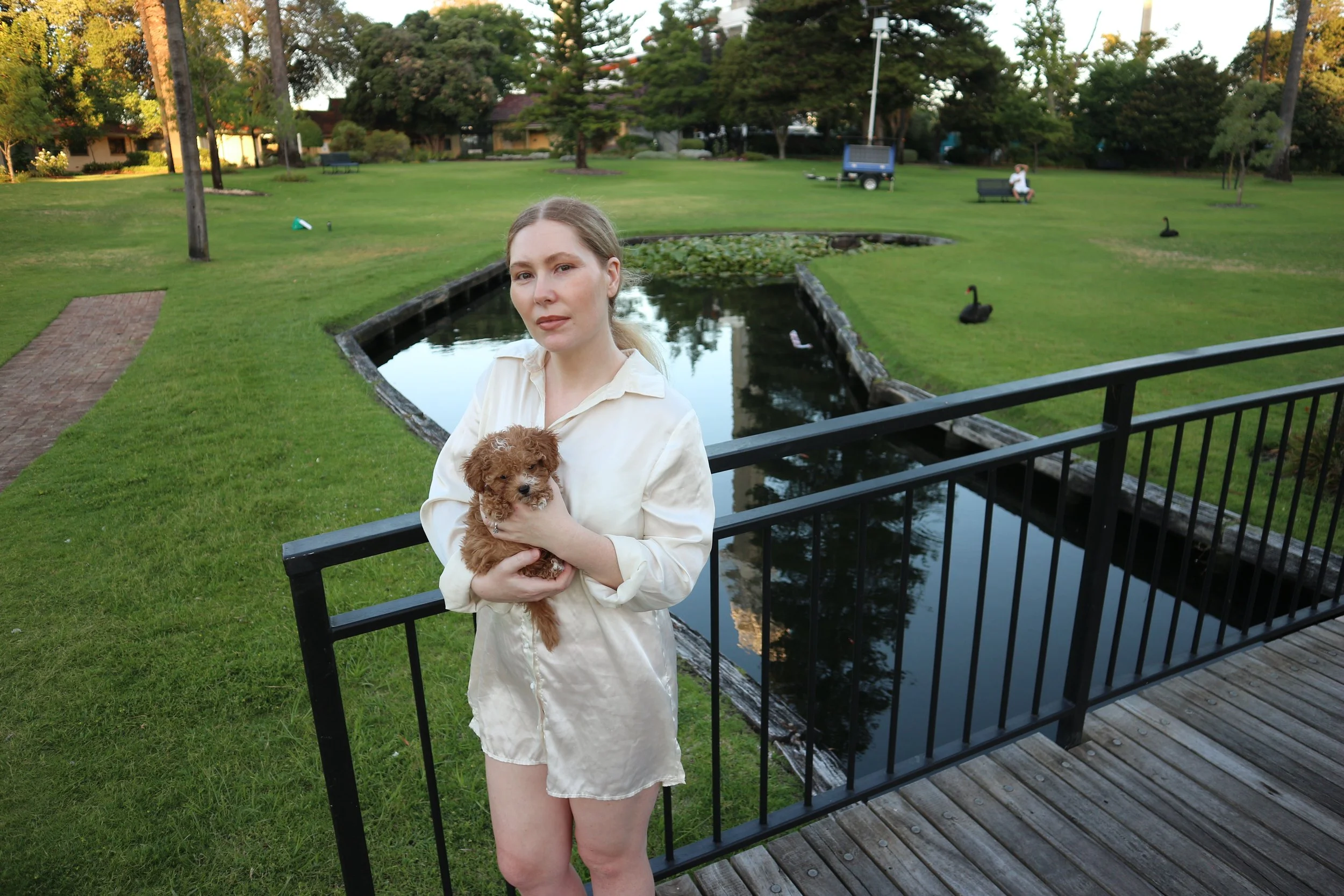
Lux Pups is a boutique family owned, pure bred X f1b Husbandries. We encompass a deluxe minor breeding organization. Therefore enabling the utmost attention possible to each and every puppy, resulting in appreciably happier and more vibrant litters.

At Lux Pups we do not condone puppy mill practices, inhumane breeding conventions or low standards and high turn over breeding. When it comes to selecting a recognized, registered breeder this means choosing transparency, accountability, and long-term support

Here at Lux Pups we are very proud to state that we only allow our dogs to have one litter a year. This results in healthier, stronger and well developed litters.

Our pups generally have an extremely cute mid toy/ tea cup structure, always a gorgeous presence, great mobility and a happy, fun and affectionate temperament. 

Our mother dog is one of the most loving, affectionate and happy dogs. We more often than you would imagine, have people complimenting that not only is she extremely happy. But that our mother dog (Opal) actually encourages dogs to become happy and playful when they have apparently not played in years! Opal also has a tendency to cause dogs that are well known to be extremely anxious or aggressive to become calm and placid, Opal is truly a one of a kind.

We feel dogs like ours that have an incredible temperament is one of the most important points among others when buying a dog. It displays the care, love and attention that goes into looking after these gorgeous dogs all based on temperament alone. 

OUR MISSION 

Our soul focus is to set a new national standard of care, robustness and love that goes into looking after these beautiful precious puppies. Our definitive milestone is to be the occupying industry leaders and role models for the advocacy of premium welfare. If rudimentary education of foundational degrees could be common knowledge amongst the public, together we could change the attitudes, behaviors and laws of animal care within Australian.

THE TOY MALTESE F1, B GEN POODLE 

An F1 dog is a crossed back with a purebred Pedigree dog. This results in an F1, B Gen which has a higher proportion of purebred genetic chromosomes, also known in the world of DNA science as the genetic lottery. This backcross is common for producing dogs with considerably more consistent, desirable Poodle traits, low defects and curlier, less-shedding, or "hypoallergenic" coats. 

Due to the increased Poodle genetics F1B dogs are more likely to have a even lower-shedding coat than their counterpart F1 cousins. Akin too their enhanced coat shedding genetical linage developments. F1, B dogs also have significantly superior allergic advantages compared to F1, which are already famous for being great dogs for people with allergic reactions to dust, pollen and grass. The backcross to a Poodle concludes in more predictable traits, compared to an F1 dog resulting in defects being at a remarkable low rate. 

THE SCIENCE OF THE F1 B, GEN GENTICS

The science of the genetic lottery is one allele per gene and mendelian patterns during meiosis resulting in dominant or recessive trait expressions. Cross back breeds F1 B, Gen often exhibit hybrid vigor in genetic diversity. Heterozygosity is leading cause to recessive mutations and are 2.7 times less likely to be homozygous for disorders. From one parent mask deleterious recessive alleles from the other, reducing genetic disorders and improving overall fitness. Complementarity is found where the strengths of different back cross breeds combine to enhance traits like growth rate, fertility, adaptability, and disease resistance. Heterozygosity where beneficial dominant alleles low heritability and immune response, reducing the prevalence and severity of certain diseases. At a molecular level, hybrid vigor is influenced by both the dominance model (masking harmful alleles) and overdominance (where heterozygous gene combinations produce superior functions compared to homozygous ones). Epigenetic factors, such as DNA methylation and histone modifications, can also enhance gene expression diversity and vigor in hybrids